
WELL Blog
Notes on light, perception, and the experience of space
Can lighting in schools improve student well-being and learning speed?
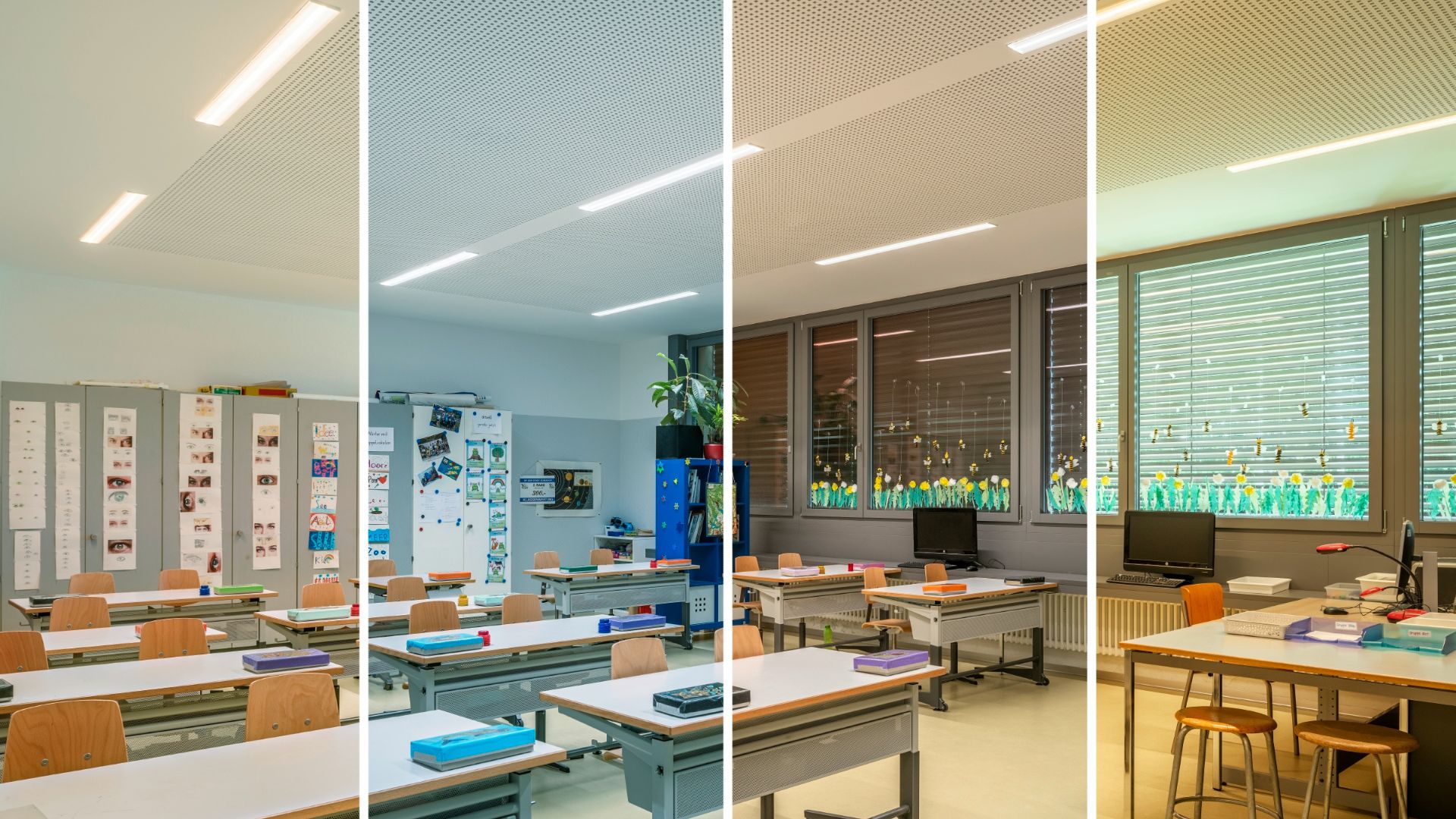
The Importance of Lighting in Educational Institutions
Lighting design in schoolsis a critical design factor that directly affects learning performance, visual comfort, and student health. It is not simply a system that enables us to see — it is a holistic approach that supports biological rhythm, extends attention span, and makes the learning environment more effective.
Quality lighting, however, can directly influence students' learning process and boost their academic achievement. A well-designed lighting scheme encourages greater classroom engagement, deeper understanding of subject matter, and an overall improvement in the learning process. school lighting designis not only a technical matter, but a pedagogical one as well.
The Relationship Between Lighting and Student Performance
When it comes to quality lighting in the design process, discussions tend to focus mainly on light levels and a standard color temperature. As with many project types, we often observe that lighting in educational institutions is treated purely as a means of enabling sight — with insufficient consideration given to how the fixtures used affect the visual comfort, physical and psychological health of students and staff, and the overall effectiveness of education.
In reality, there are several different parameters that affect the physical and biological health of students and staff. These factors can be summarised as follows:
Light Intensity and Biological Rhythm
Standards specify the minimum illuminance levels required to ensure visual comfort and the clear visibility of educational materials. In a circadian-responsive system, however, illuminance levels should vary according to the time of day and the activity being carried out.
Higher, more stimulating light levels are recommended in the morning, while more balanced light levels later in the day help support students' biological rhythms. This approach forms the foundation of how lighting is understood in contemporary educational institutions.
The Psychological Effects of Colour Temperature
When it comes to color temperature, cooler light tones are preferred, as they are known to extend the attention span and improve focus. However, prolonged exposure to cool lighting can increase anxiety levels and lead to a range of psychological issues. In particular, exposure to high color temperatures in the afternoon and evening can negatively affect sleep patterns.
Warm light, on the other hand, promotes a sense of calm and relaxation, but excessive use can lead to drowsiness and reduced attention. For this reason, dynamic lighting systems are recommended over a fixed color temperature.
Tunable white systems replicate the natural cycle of daylight, with the aim of extending concentration span and creating healthier, well-lit environments. Alongside white light, it is also known that blue wavelengths — when used at the right time and in a controlled dose — can enhance educational effectiveness.
Colour Rendering and Natural Light
Colour rendering index (CRI) refers to how accurately colours are perceived under a given light source. High-CRI fixtures should be prioritised in particular for workshops and studios where applied courses such as art and visual studies take place.
Beyond this, it is important — for the sake of motivation — that students and staff feel they are in an atmosphere as close to natural daylight as possible. Interior lighting that is aligned with daylight supports psychological comfort.

Flicker and Its Effects on Health
Flicker refers to the vibration created when fixtures convert alternating current (AC) into direct current (DC). This effect can often be observed as rapid flashing in videos filmed with a mobile phone.
Flicker is known to be capable of triggering epileptic seizures and causing health issues such as migraines and reduced attention span. For this reason, we ensure that the fixtures used in our projects are flicker-free and compliant with current IEEE standards.
Standard References:
- IEEE 1789-2015
- IEEE 1453
Glare and Visual Comfort
Many of us will recall the glare on the blackboard when the lights came on in the classroom, making it hard to read what was written. Glare control is a key parameter that directly affects students' visual comfort and concentration.
To prevent glare and unwanted reflections, fixture selection, placement, and optical control must be carefully planned. In this way, a comfortable and balanced learning environment can be created.
Photobiologic Safety
In addition to visible white light, fixtures with the potential to emit harmful radiation such as ultraviolet and infrared can pose a risk to eye and skin health.
In addition to visible white light, fixtures that emit harmful radiation, such as ultraviolet and infrared, can pose a risk to eye and skin health.
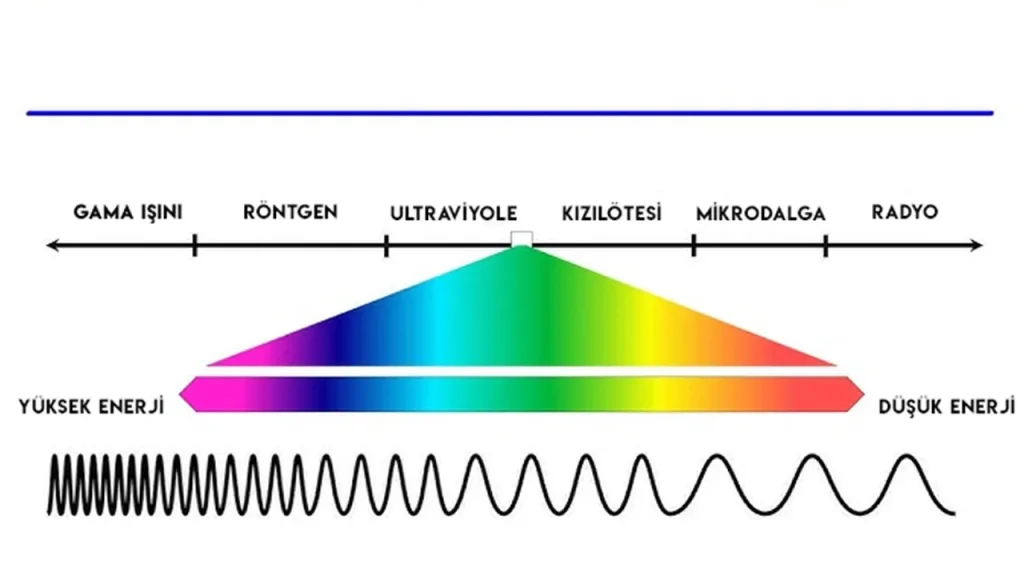
Ultraviolet – White Light – Infrared
Energy Efficiency and Sustainability
When ensuring visual comfort in educational institutions, operating costs must also be considered. Energy efficiency is one of the key criteria in a successful school lighting design process.
Luminous efficacy — that is, the amount of light a fixture produces per unit of energy (lm/W) — is one of the most important line items in our technical specifications. High-efficiency LED systems help reduce energy consumption while also enabling more sustainable solutions.
Conclusion:
Lighting quality in educational institutions should not be overlooked — all technical and biological parameters must be evaluated together. A well-planned lighting system is critical to improving student performance and creating a healthy learning environment.
Giving lighting design the attention it deserves is essential to a successful educational experience.
Save Time and Budget
With over sixteen years of experience in lighting design and the industry knowledge we continuously stay on top of, we help you add visual value to your school and educational facility projects — while saving time and staying within budget.
Get in touch with us to learn more about our lighting design and consultancy services.
Frequently Asked Questions
Why is lighting design important in schools?
Lighting design in schools directly impacts students' attention spans, visual comfort, and learning performance. A well-planned lighting system reduces eye strain, supports concentration, and creates a more effective learning environment.
What is the ideal light level (lux) for classroom lighting?
A general illuminance level of 300–500 lux is typically recommended for classroom environments. However, needs can vary depending on the activity and age group. What matters is not just the lux level itself, but also uniform distribution and effective glare control
How is Human-Centric Lighting applied in educational environments?
Human-Centric Lighting supports biological rhythm by adjusting colour temperature and light levels according to the time of day. More stimulating light scenarios are used in the morning, followed by more balanced settings later in the day, helping to improve students' focus and comfort.
Sources and Standards
Well-planned light doesn't just transform a space — it transforms the experience within it.
For ergonomic and human-centric lighting design and consultancy for your school and educational facility projects, get in touch with us. .
Let's add value to your projects with light!
WELL Lighting Design develops lighting design projects that are human-centered, sustainable, and enhance the character of spaces.
Contact us to add value to your projects.
well@well-lighting.com
+90 555 239 82 83
Cekmekoy, Istanbul
FOLLOW US!
© 2026 WELL Lighting Design